
In brief
Arthritis is common in older cats, but they rarely limp dramatically. Reduced jumping, stiffness, poor grooming and changed behaviour may all be signs of chronic pain.
Subtle signs of pain
- Using intermediate surfaces instead of jumping directly.
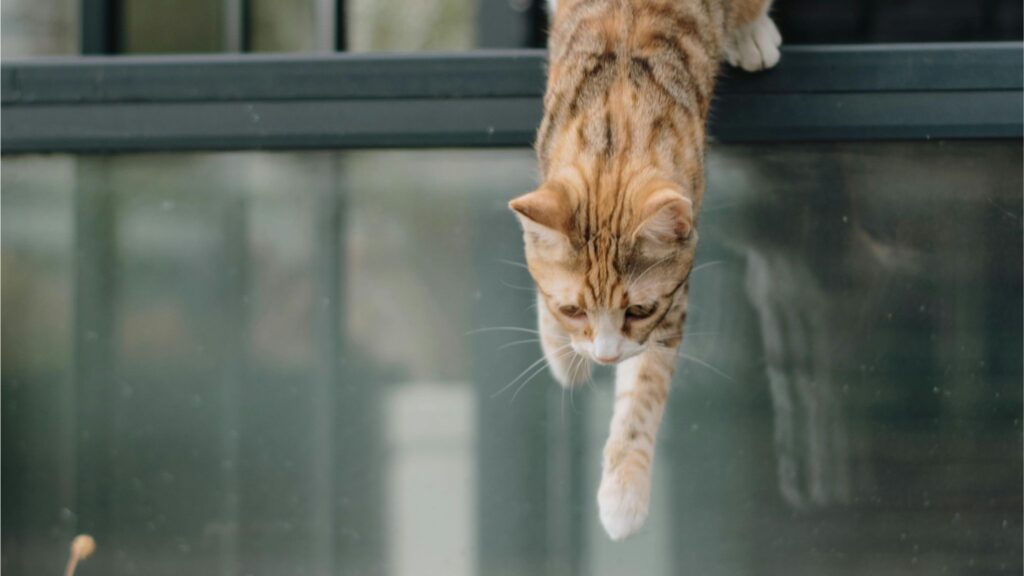
- Hesitating before stairs or jumping down.
- Sleeping more and playing less.
- A matted coat over the back or difficulty reaching the litter tray.
- Irritability when touched or less tolerance of other pets.
Diagnosis
History and a careful physical examination are central. Cats may hide pain in the clinic, and radiographic changes do not always match severity. Videos from home can be extremely helpful.
Treatment is multimodal
Management may combine weight optimisation, pain-relieving medication, environmental changes, controlled activity and sometimes physiotherapy. Medication must be chosen for the individual cat, particularly when kidney, gastrointestinal or cardiac disease is present.
Home adaptations
Provide low-entry litter trays, warm padded beds, non-slip routes, steps or ramps to favourite places, and food and water on the same floor. Keep claws trimmed and make grooming easier.
Conclusion
Slowing down is not automatically normal ageing. Identifying and treating pain can restore mobility, confidence and social behaviour.
Kleine veranderingen eerder zien
Ontvang direct Pip's Senior Cat Check, twee korte welkomsttips en daarna ongeveer één keer per maand begrijpelijke kattenkennis van Pip en Marieke.
Pip’s Post wordt klaargezet. Inschrijven opent zodra de e-mailverbinding betrouwbaar is getest.