Food Puzzles for Cats: Enrichment Without Frustration
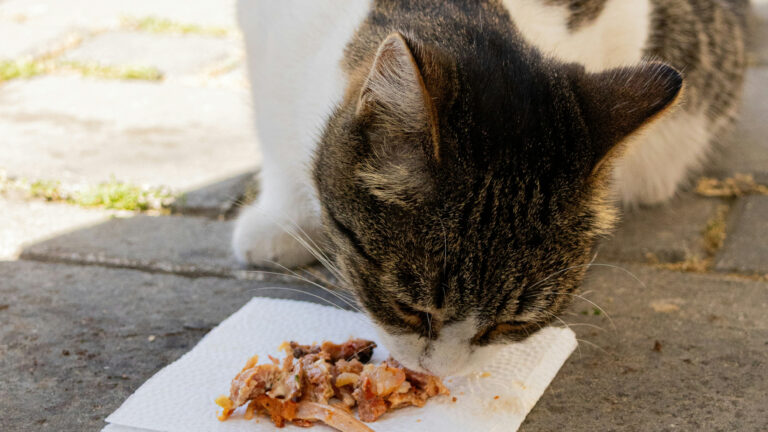
Food puzzles can encourage natural searching and problem-solving, slow down eating and add useful activity. Success depends on starting easy and ensuring the cat still eats enough.
Read article →Reliable information for cat people
Clear, practical explanations about symptoms, diseases, examinations and treatment—written by Marieke Knies, DVM, European veterinary internal medicine specialist.
Food puzzles can encourage natural searching and problem-solving, slow down eating and add useful activity. Success depends on starting easy and ensuring the cat still eats enough.
Read article →
Bowl shape, material and location can influence comfort and appetite. Many cats prefer a wide, shallow, stable dish placed somewhere quiet and away from litter trays.
Read article →
Cats are obligate carnivores, but that does not mean an unbalanced raw-meat diet is automatically healthy. Nutritional deficiencies and infectious risks affect both cats and people in the household.
Read article →
Wet food is not automatically perfect, but its high moisture content can be useful for hydration, urinary health and calorie control. The most important first check is that it is complete and suitable for the cat.
Read article →
Nutrition can meaningfully support treatment, but no diet replaces a diagnosis. The best plan is medically appropriate, nutritionally complete and realistic for the individual cat to eat.
Read article →
Cats process several substances differently from people. Lilies, paracetamol and antifreeze are particularly dangerous, and even small exposures can require immediate treatment.
Read article →
A long ingredient list or a high percentage on the front does not automatically make a food better. Start by checking whether it is complete, which life stage it is intended for and how the analytical values should be compared.
Read article →
Treatment combines insulin or another veterinarian-selected therapy, suitable nutrition, weight management and reliable monitoring. The aim is a cat that feels well—not a perfect number at every measurement.
Read article →
The classic signs of feline diabetes are drinking and urinating more, losing weight despite eating well, and reduced energy. Some cats show only subtle changes at first.
Read article →
Diabetes mellitus develops when a cat cannot use insulin effectively. Glucose then remains in the bloodstream instead of entering the body’s cells, causing increased thirst, increased urination, weight loss and often a marked appetite.
Read article →
In brief Antifreeze containing ethylene glycol is extremely toxic to cats, even in small amounts, and can rapidly cause fatal kidney failure. Early signs may resemble drunkenness and can progress to vomiting, lethargy and reduced urine production. Suspected exposure is an emergency: contact a veterinarian immediately, because treatment is most effective within the first hours. […]
Read article →